
Crude Palm Oil
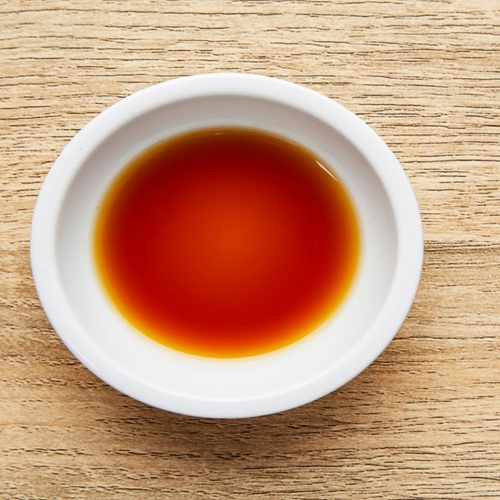
Crude Palm Oil
Crude Palm Oil (CPO) is a comestible plant-based oil procured from the fruit of the oil palm tree (Elaeis guineensis). It ranks among the most extensively employed vegetable oils globally and fulfills a pivotal function in both food production and industrial applications.
CPO manifests as a pale golden fluid or semi-solid at ambient temperature and transforms into a transparent golden liquid upon gentle warming. It is procured by pressing the fresh fruit bunches of the oil palm.
CPO is completely refined to yield palm oil, which is then broadly utilized by the food industry—for instance, in quick-cooking noodles, savoury snacks, and as a deep-frying and culinary medium.
It is also employed in the manufacture of spreads, baking fats, frozen desserts, evaporated milk, vegetable ghee, and cleansing bars.
CPO can be used directly in cleansing bar production or subsequently transformed into oleochemicals such as fatty acids and alkyl esters, which are then used to produce a variety of end products.
Crude Palm Oil is wholly obtained from plant-based origins.
Crude Palm Oil (CPO) Specification
| Parameter | Specification |
|---|---|
| Product Name | Crude Palm Oil (CPO) |
| Appearance | Semi-solid to liquid at ambient temperature; yellow to reddish-orange |
| CAS No. | 8002-75-3 |
| HS Code | 1511.10.00 |
| Free Fatty Acid (as Palmitic) | 5% max |
| Moisture & Impurities | 0.25% max |
| Iodine Value (Wijs) | 50 – 55 |
| Slip Melting Point | 37°C max |
| Saponification Value | 195 – 205 mg KOH/g |
| Unsaponifiable Matter | 1.2% max |
| Specific Gravity (42°C) | 0.895 – 0.897 |
| Refractive Index (50°C) | 1.4491 – 1.4552 |
| Peroxide Value | 2.0 meq/kg max |
| DOBI (Deterioration of Bleachability Index) | 2.3 min |
Fatty Acid Composition
| Fatty Acid | Carbon Chain | Specification (%) |
|---|---|---|
| Lauric Acid | C12:0 | 0.16 – 0.95 |
| Myristic Acid | C14:0 | 1.37 – 1.67 |
| Palmitic Acid | C16:0 | 39.2 – 45.8 |
| Palmitoleic Acid | C16:1 | 0.1 – 0.3 |
| Stearic Acid | C18:0 | 3.67 – 5.84 |
| Oleic Acid | C18:1 | 37.31 – 44.1 |
| Linoleic Acid | C18:2 | 8.7 – 12.74 |
| Linolenic Acid | C18:3 | 0.2 – 0.6 |
| Arachidic Acid | C20:0 | 0.2 – 0.5 |
About Crude Palm Oil
Source: Crude Palm Oil (CPO) is procured from the fibrous mesocarp of oil palm fruits, which develop in large clusters on the oil palm tree.
Extraction: The oil is secured through a sequence of stages, including gathering the fruit, followed by sterilization, threshing, and pressing. These procedures facilitate the efficient recovery of oil from the fruit’s flesh.

Composition
CPO is inherently crimson-orange attributable to its elevated beta-carotene concentration. It exists as a semi-solid at ambient temperature on account of its equilibrated makeup of saturated and unsaturated fatty acid compounds. The precise fatty acid profile may fluctuate contingent upon the source and processing techniques, yet generally comprises a substantial proportion of saturated fats
Processing
The preliminary extraction entails pressing the oil palm fruit to liberate the crude oil. Limited processing is applied at this phase, enabling the oil to preserve its characteristic hue and nutritional attributes, particularly carotenes, which are naturally occurring pigments possessing antioxidant characteristics.
Refining
Crude Palm Oil is subjected to refinement to render it appropriate for commercial & culinary utilization. This encompasses eliminating extraneous substances, diminishing inherent hue & augmenting shelf stability. Refined palm oil is favored for its neutral taste profile, prolonged shelf life & transparent appearance.
Crude Palm Oil (CPO) Applications
Usage
Crude Palm Oil (CPO) is employed across a broad spectrum of industries. Within the food sector, it is utilized for cooking, frying, and functions as a vital component in products such as spreads, culinary oils, and savoury snacks. Beyond its culinary applications, CPO also fulfills a significant role in industrial uses, encompassing biodiesel production, and is frequently incorporated into cosmetic and personal care formulations.
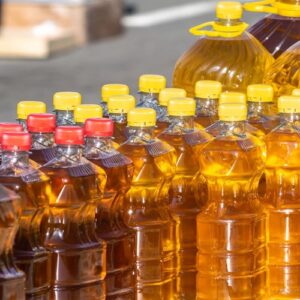
Application in Food Industry
CPO for cooking & food processing – outstanding high-temperature stability & extended shelf life. Essential in margarine, frying oils, baked goods & snack foods.

Application in Biodiesel
CPO can be transformed into biodiesel—a sustainable, environmentally friendly substitute for conventional fossil fuels. Its elevated energy yield and abundant availability render it a valuable feedstock for biofuel production.

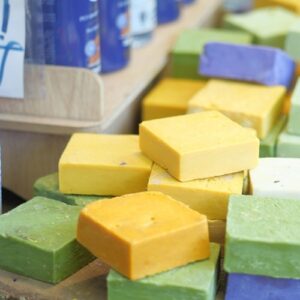
Application in Industries
CPO for industrial applications – used in soaps, detergents, cosmetics & personal care. Adaptable & plant-based for diverse manufacturing processes.
Packaging
| Packaging Type | Typical Size / Capacity |
|---|---|
| HDPE Drums | 250 kg |
| Steel Drums | 250 kg |
| IBC Containers | 1,000 kg – 1,250 kg |
| Flexitanks | 20 MT – 24 MT |
| ISO Tanks | 20 MT |
| Tank Trucks / Bulk | Loose / Bulk |
Certification
| Certification | Issuing Body / Standard |
|---|---|
| MSPO | MSPO 2.0 (MS2530:2022) |
| Halal | JAKIM |
| Kosher | Recognized agencies (e.g., STAR-K) |
| ISO 9001 | International Organization for Standardization |
| ISO 14001 | International Organization for Standardization |
| GMP | Good Manufacturing Practices |