
Cetyl Alcohol C16-98
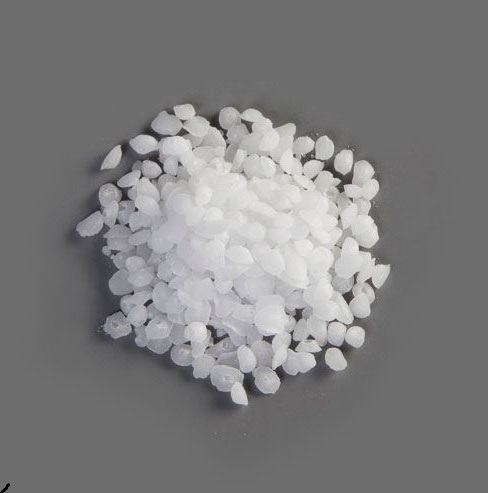
Cetyl Alcohol C16-98
Cetyl Alcohol is a fatty alcohol with the chemical formula C₁₆H₃₃OH. It is procured from vegetable oils such as palm kernel oil or coconut oil. It is extensively employed as an emollient, emulsifier, and thickening agent in products like lotions, creams, shampoos, and conditioners.
Within the cosmetic sector, it is frequently utilized as an opacifier in shampoos or as an emollient, emulsifier, and thickening agent in the fabrication of skin creams and lotions. It is additionally employed as an additive in oil-based fracturing fluids, in perfume synthesis, and within the pharmaceutical industry.
Cetyl Alcohol is a mild fatty alcohol that functions as a moisturizing agent, emulsifier, and thickener in cosmetics and personal care items.
it ranks among the most commonly used ingredients in cosmetic, skincare, and haircare products. Cetyl Alcohol is a white, waxy substance that acts as a thickening agent and helps bind ingredients together, preventing them from separating. Beyond its structural function,it possesses moisturizing properties and is non-comedogenic, meaning it does not clog pores.
Cetyl Alcohol is a plant-based emulsifier – a solid white, wax-like product with a characteristic fat-like odour. They are prepared from fatty acids through esterification followed by catalytic hydrogenation.
It is a 100% natural, vegetable-derived fatty alcohol, widely used in the cosmetic and personal care industry.
Cetyl Alcohol C16-98 Specification
| Parameter | Specification |
|---|---|
| Product Name | Cetyl Alcohol C16-98 (Cetyl Alcohol 98%) |
| Chemical Name | 1-Hexadecanol / Hexadecan-1-ol / Palmityl Alcohol |
| INCI Name | Cetyl Alcohol |
| CAS No. | 36653-82-4 |
| EC No. | 253-149-0 |
| Molecular Formula | C₁₆H₃₄O |
| Molecular Weight | 242.45 g/mol |
| HS Code | 2905.17.00 |
| Appearance | White, waxy solid (flakes, pastilles, or beads) |
| Odour | Mild, fat-like |
| Origin | Vegetable-based (palm oil or coconut oil) |
.
Quality Parameters
| Parameter | Method / Reference | Specification | Typical Value |
|---|---|---|---|
| Acid Value (mg KOH/g) | AOCS Te 1a-64 | ≤ 1.0 (max 0.5 typical) | 0.05 |
| Saponification Value (mg KOH/g) | AOCS Tl 1a-64 | ≤ 0.5 | 0.03 |
| Iodine Value (g I₂/100g) | AOCS Tg 1a-64 | ≤ 0.5 (max 0.3 typical) | 0.14 |
| Hydroxyl Value (mg KOH/g) | — | 225 – 235 | 228 – 232 |
| Solidification Point (°C) | — | 47 – 50 | — |
| Melting Point (°C) | — | 46 – 52 | 49 – 51 |
| Flash Point (°C) | — | ≥ 149 | approx. 175 |
| Moisture (%) | — | ≤ 0.15 | — |
| Colour (APHA) | — | ≤ 10 | — |
| Hydrocarbons (%) | — | ≤ 0.7 | — |
Carbon Chain Distribution
| Fatty Alcohol | Carbon Chain | Specification (%) | Typical Value |
|---|---|---|---|
| Lauryl Alcohol | C12:0 | ≤ 0.5 | 0.2 |
| Myristyl Alcohol | C14:0 | ≤ 1.0 | 1.0 |
| Cetyl Alcohol | C16:0 | ≥ 98.0 | 98.0 min |
| Stearyl Alcohol | C18:0 | ≤ 1.0 – 2.0 | 1.0 max |
Cetyl Alcohol Physical Properties
It presents as a wax-like, white solid at ambient temperature. It possesses a subtle scent and is sparingly soluble in water, yet readily miscible with oils and other organic solvents.

Derivation
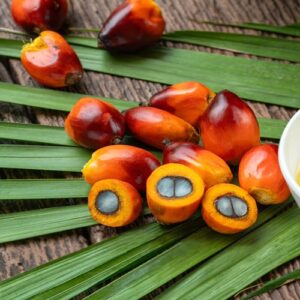
Cetyl Alcohol is frequently sourced from renewable plant sources such as coconut oil or palm oil, where it is naturally present as a constituent of these oils.
Emmolient and Thickening Agent
principal use as emollient & thickening agent in cosmetics & personal care. Added to creams, lotions & beauty products for creamy texture & skin moisturization. As an emollient, it averts ingredient separation. Waxy nature augments texture & enhances spreadability in formulations like lipsticks, helping colour adhere to lips.
Applicatioin as Emulsifier Agent
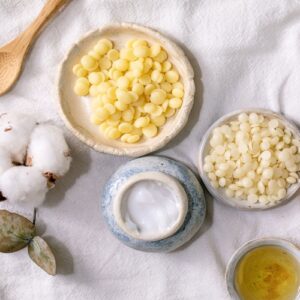
functions as emulsifying agent, stabilizing oil & water mixtures in creams & lotions. Averts phase separation. Also used as opacifier in shampoos & as emollient, emulsifier & thickener in skin creams & lotions.
Applications in Hair Care
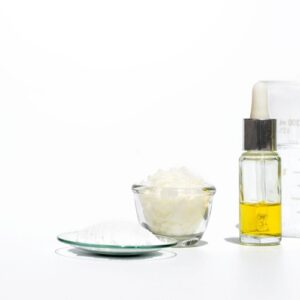
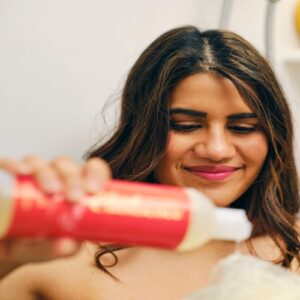
It is employed in hair care items such as shampoos and conditioners. It augments the texture of these products and elevates the overall feel and appearance of hair. Within hair care formulations, it functions as a thickening agent, enabling products to be effortlessly applied along the hair shafts without becoming overly fluid or runny.
Applications in Industry & Pharmacies
It is utilized within the pharmaceutical sector as a constituent in diverse formulations. It is additionally employed in the manufacture of certain waxes, candles, and lubricants.

Packaging
| Packaging Type | Typical Size / Capacity | 20ft Container Loading (Net Weight) |
|---|---|---|
| PP Laminated Paper Bags | 25 kg / bag | ≈ 16 MT (640 bags, unpalletised) |
| PP Laminated Paper Bags (palletised) | 25 kg / bag | ≈ 14 MT (560 bags, palletised) |
| HDPE Laminated Paper Bags | 20 kg / bag | ≈ 14 – 16 MT (varies) |
| Steel Drums | 180 kg / drum | ≈ 17.3 MT (96 drums) |
| Jumbo Bags | 300 kg / 500 kg | ≈ 14 – 16 MT (varies) |
| ISO Tanks | 20 MT | 20 MT (bulk liquid form) |
Certification
| Certification | Issuing Body / Standard |
|---|---|
| MSPO | MSPO 2.0 (MS2530:2022) |
| Halal | JAKIM |
| Kosher | Recognized agencies (e.g., STAR-K) |
| ISO 9001 | International Organization for Standardization |
| ISO 14001 | International Organization for Standardization |
| GMP | Good Manufacturing Practices |